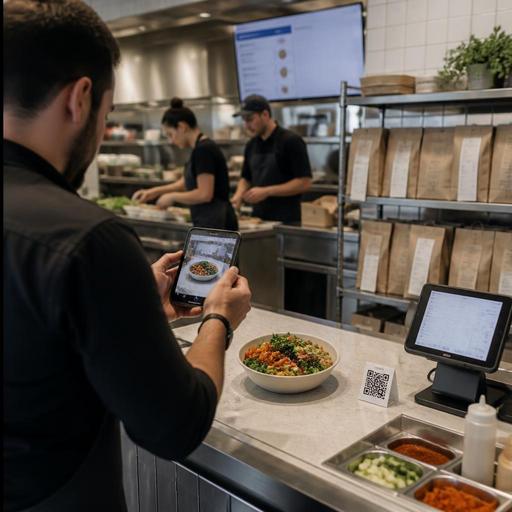
Instagram Reels Ideas for U.S. Restaurants That Drive Real Orders
Instagram Reels ideas for U.S. restaurants work best when they are tied to actual menu operations, not just pretty food shots. If your team posts a viral special that the kitchen cannot prep consistently, or highlights a combo that is hard to ring in on the POS, the Reel creates friction instead of sales. For U.S. restaurant operators, the goal is simple: create short-form video that matches inventory, labor, ordering channels, and guest expectations across dine-in, takeout, curbside pickup, and delivery apps.
A neighborhood taco shop in Austin, a fast-casual salad chain in Chicago, and a brunch diner in New Jersey can all use Reels effectively, but the operational setup behind the content should look different. The strongest Reels do not just attract views. They support cleaner ordering, better prep planning, smoother pickup, and more consistent guest communication.
Start with menu items your operation can actually support
The easiest mistake is building Reels around one-off items that are difficult to execute during a busy shift. Before filming, review which products are operationally safe to promote. That means items with stable ingredients, clear modifiers, reliable plating, and a simple ordering path through your POS, online ordering flow, or QR menu.
For example, a fast-casual chicken bowl concept in Phoenix might post a Reel showing three lunch combinations that can all be ordered from one digital menu category with standard add-ons. A sports bar in Ohio might highlight game-day wing bundles that map directly to its takeout menu and kitchen display system. A coffee shop in Seattle could feature a morning pastry-and-latte pairing only if the item count is visible to staff and the team knows when to mark items unavailable.
Useful Reel themes include:
- Best-selling combos that already have clean POS buttons and modifier logic
- Limited-time items with clear start and end dates in the ordering system
- Behind-the-line prep moments that show freshness without promising customizations you do not offer
- Pickup and takeout favorites that travel well and hold quality
- Late-night or happy-hour items only when timing rules are clearly managed in-store and online
If a Reel features alcohol service, age-sensitive promotions, or local happy-hour restrictions, keep the content operationally accurate and verify current state and local rules with official guidance and qualified advisors.
Build Reels around real ordering paths
A Reel should answer one practical question: what should the guest do next? In U.S. restaurant operations, that next step may be reserve a table, scan a QR menu, place a direct online order, use curbside pickup, or find your listing on delivery apps. If your content creates interest but the ordering path is confusing, your team loses momentum.
Think in terms of operational destinations:
- Dine-in traffic: Show the table experience, then make sure the featured items are easy to find on printed menus, QR menus, or server tablets.
- Direct online ordering: Feature meals that translate cleanly into your branded ordering flow with minimal guest confusion.
- Pickup shelf volume: Highlight lunch items that can be assembled quickly, labeled clearly, and staged without clogging the expo line.
- Curbside pickup: Promote family meals or office lunch bundles only if handoff timing and parking instructions are already organized.
- Delivery app demand: Use Reels to spotlight items that travel well, not delicate dishes that arrive looking different from the video.
A burger shop in Denver, for instance, might post a Reel of its lunch combo and direct viewers to order ahead for pickup. That only works if the combo is easy to ring in, the packaging holds up, and the pickup shelf is organized so guests are not crowding the counter. A hotel restaurant may create Reels for breakfast grab-and-go items that align with lobby traffic and room-charge workflows. An airport concession might focus on speed, portability, and limited customization because travelers care about quick handoff more than long menu exploration.
Create content from recurring service moments
The best Reels ideas often come from moments your restaurant already repeats every day. This keeps content sustainable and helps managers avoid asking the kitchen to perform for social media during the busiest rush.
Good recurring moments to film
- First ticket of lunch when the line is clean and plating is consistent
- Batch prep like slicing brisket, frosting pastries, or tossing salad bases
- Expo handoff showing dine-in checks, takeout bags, or pickup shelf staging
- Opening checklist visuals such as brewing coffee, stocking dessert cases, or lighting the flat-top
- Team favorites where a server, barista, or line cook shows a real menu pick
A New York bagel shop can film the morning schmear station and then feature the exact sandwiches available for online ordering. A Nashville food truck can post a Reel of the lunch rush setup, then link to a limited menu that reduces ticket complexity. A suburban family diner can show pie slicing, coffee pours, and a two-egg breakfast special that is available every weekday, not just when someone remembered to prep extra.
This approach also helps with labor scheduling. Instead of demanding daily custom shoots, managers can assign one team member to capture reusable content during slower prep windows. Be mindful of employee privacy, wage-and-hour practices, and local employment rules when filming staff, and verify current requirements with qualified advisors where needed.
Use Reels to reduce guest confusion, not create it
Many restaurants treat Instagram as a branding channel only, but Reels can also reduce friction. A short video can explain how to order family packs, where the pickup shelf sits, how curbside pickup works, or what guests should expect from a QR ordering setup.
Practical examples:
- A fast-casual Mediterranean concept shows how guests can customize bowls in-store or online without slowing the line.
- A bar and grill explains the difference between dine-in table service and takeout ordering during a busy game night.
- A multi-location pizza brand posts location-specific Reels so guests know which store offers slices, whole pies, or late-night pickup.
- A stadium concession highlights the fastest grab-and-go items instead of showing products that require made-to-order assembly.
Accessibility matters here too. If you use text overlays in your social workflow, make them easy to read, and make sure the guest journey shown in the Reel matches accessible options available through your website, digital menu, or in-store ordering process. Operators should review ADA-related expectations and current official guidance for their setup rather than assuming one social media format covers every guest need.
Turn Reel performance into operational decisions
Do not measure Reels only by views. U.S. restaurant operators should compare content performance with actual store behavior. Did a featured combo sell more through direct online ordering? Did a Reel about curbside pickup reduce phone calls asking where to park? Did a dessert video increase check averages at one location but create stockouts at another?
Use a simple review process each week:
- List the Reels posted and the menu items featured.
- Check whether those items stayed in stock and were easy for staff to execute.
- Compare dine-in, takeout, direct online, and delivery app results.
- Review guest questions, refund reasons, and modifier confusion.
- Adjust menu naming, photo order, QR menu placement, or POS button structure based on what guests responded to.
For chains and multi-location operators, this matters even more. A Reel that works for a college-town store may not fit an airport unit or hotel outlet with a different menu mix. If your business falls under menu labeling or other federal, state, or local requirements, keep promotional content aligned with the actual menu presentation and verify current obligations with official guidance and qualified advisors.
When content, ordering, and kitchen workflows are connected, Instagram stops being just a marketing task and becomes part of service design. Restomas helps restaurants connect digital menus, QR ordering, and day-to-day order flow so the guest experience shown online matches what the operation can deliver in real life.